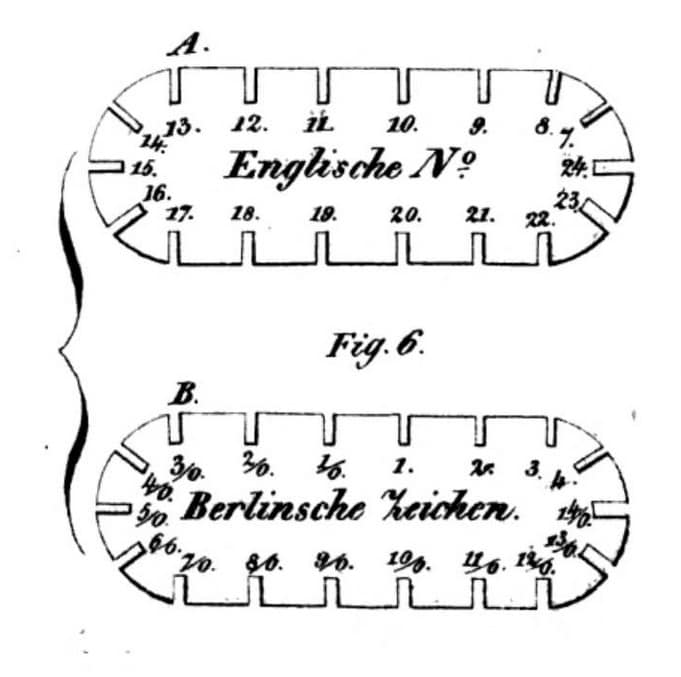
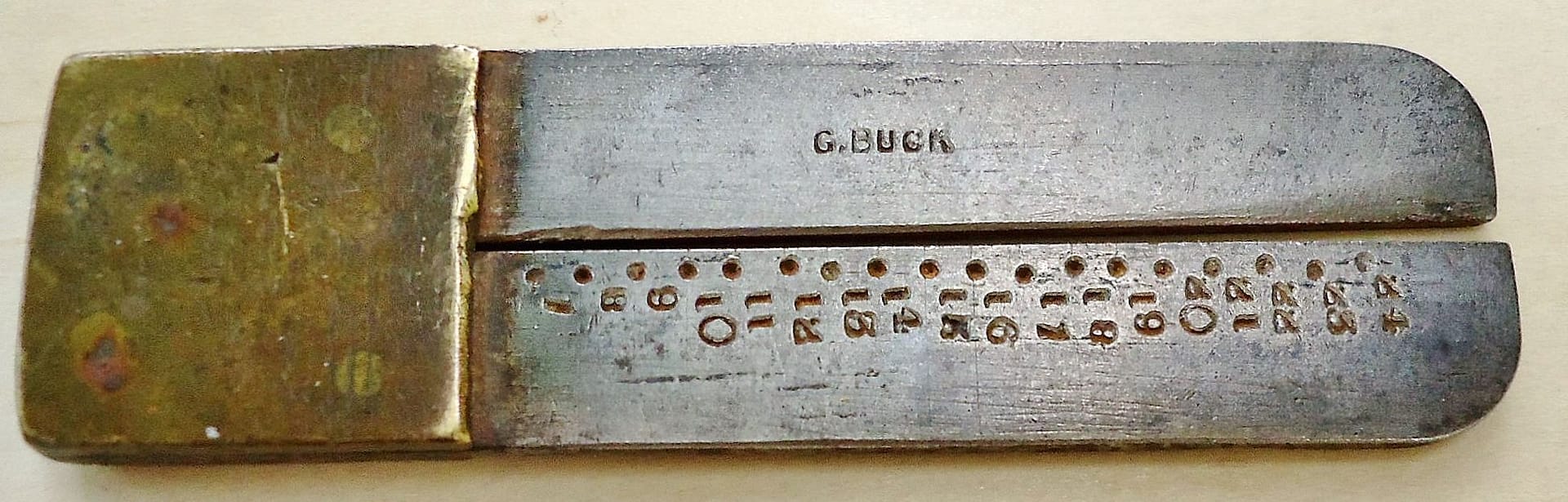
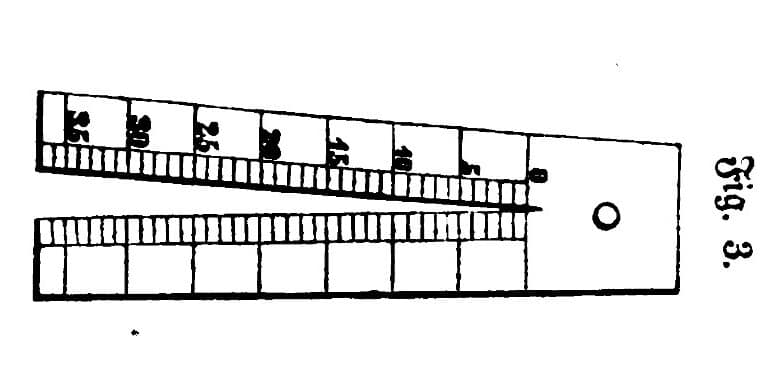
English and German music wire gauges, from Abhandlung über Klavier-Saiten-Instrumente by Thon, Christian Friedrich Gottlieb, 1843.
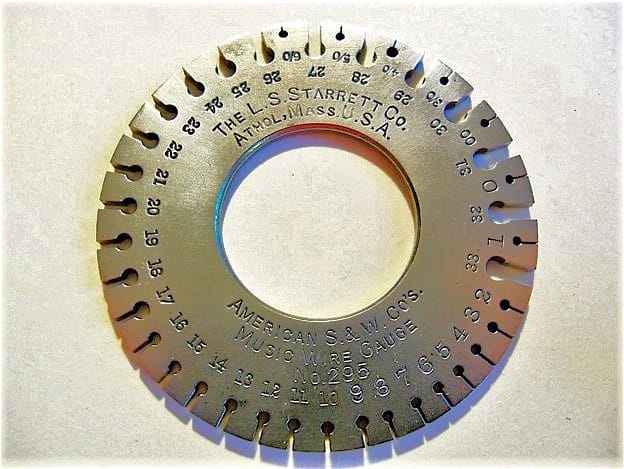
Starrett No.295 Music Wire.Gauge. This was Starrett’s large version, with sizes smaller and larger than what is used in modern pianos.
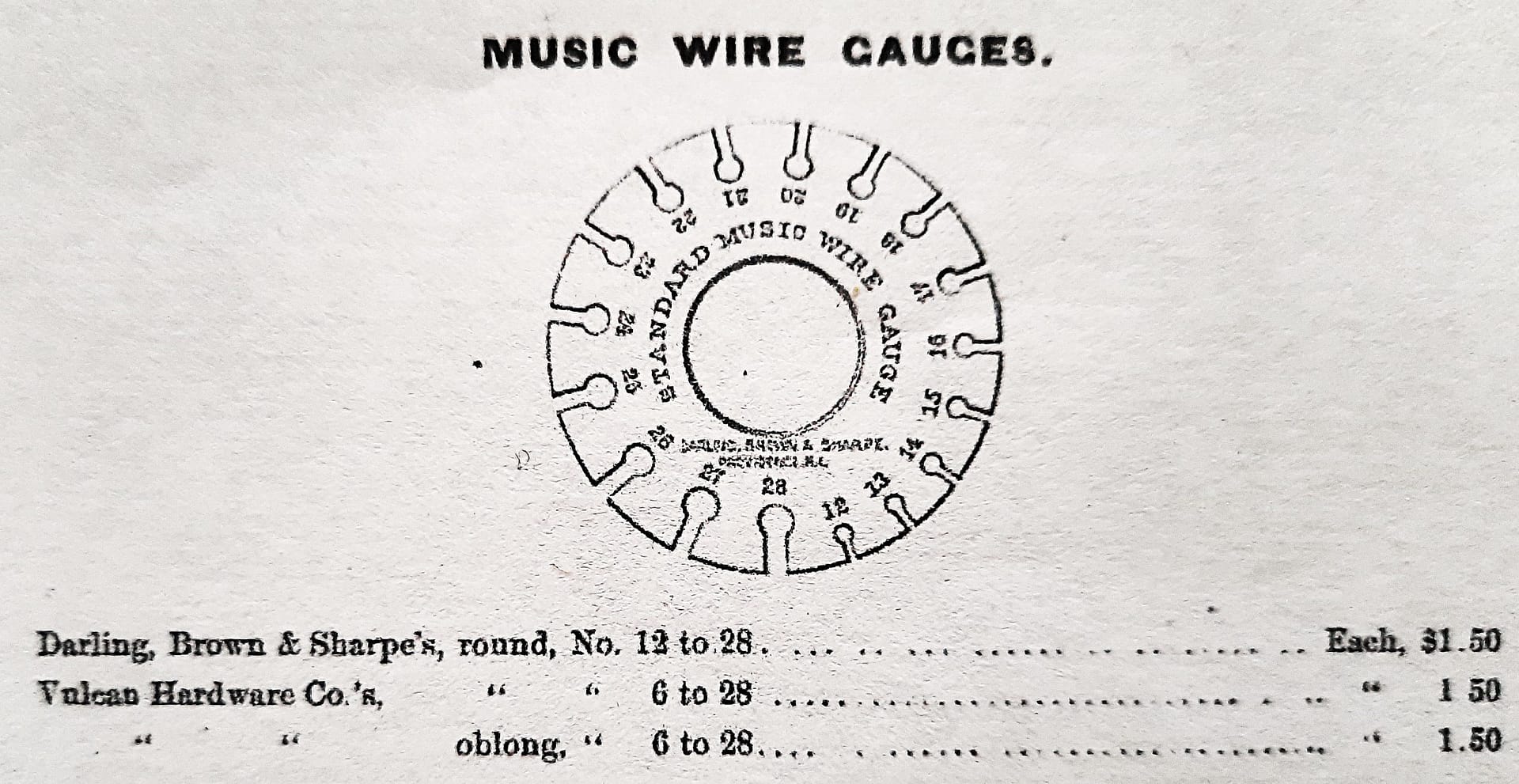
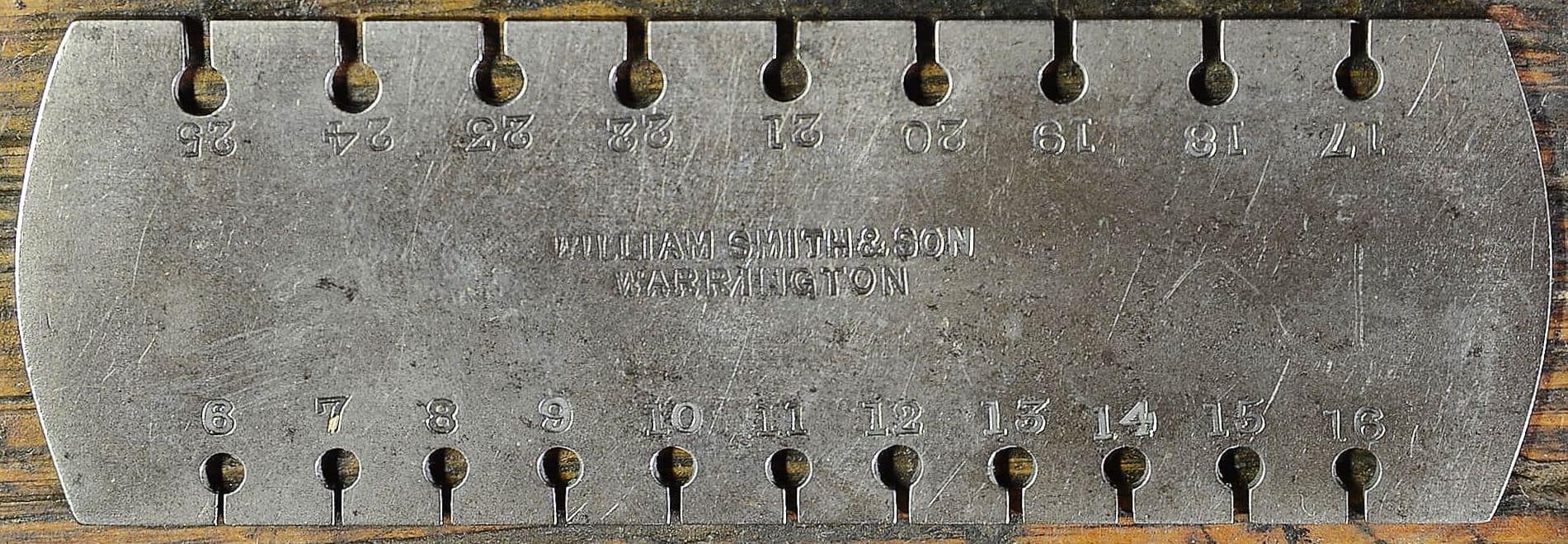
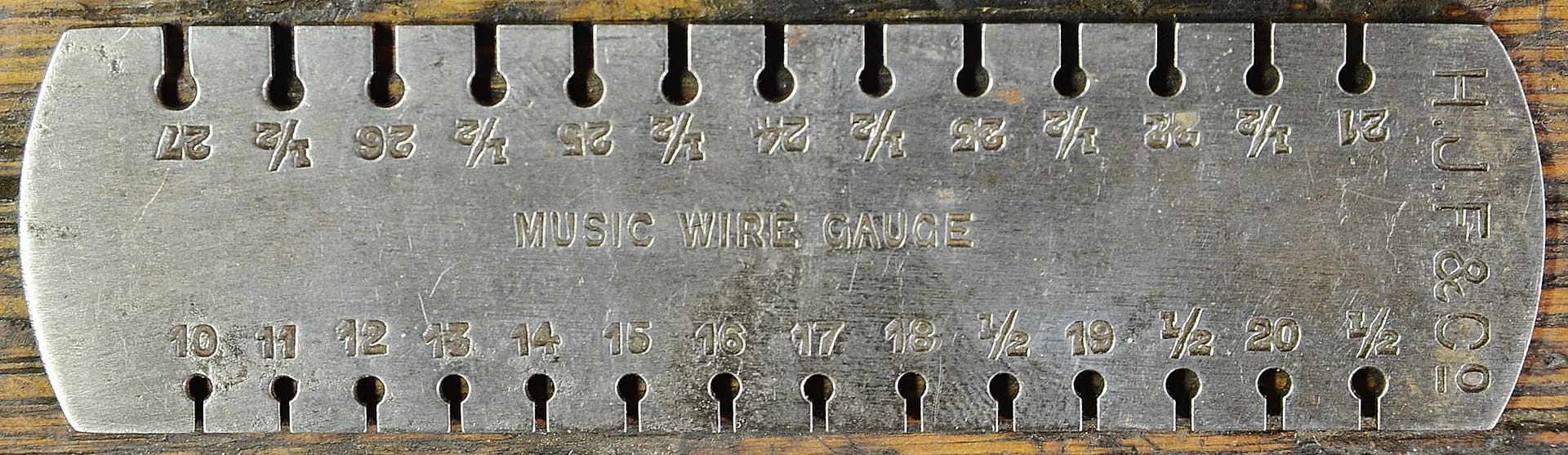
H. S. and Co., 1885. The smaller Starrett gauge, No. 280, is the one that was most used by piano tuners. The Starrett No. 280 was a direct copy of the Darling, Brown, and Sharpe gauge pictured here.
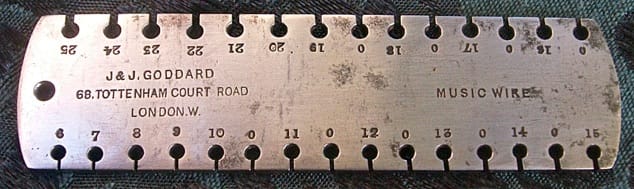
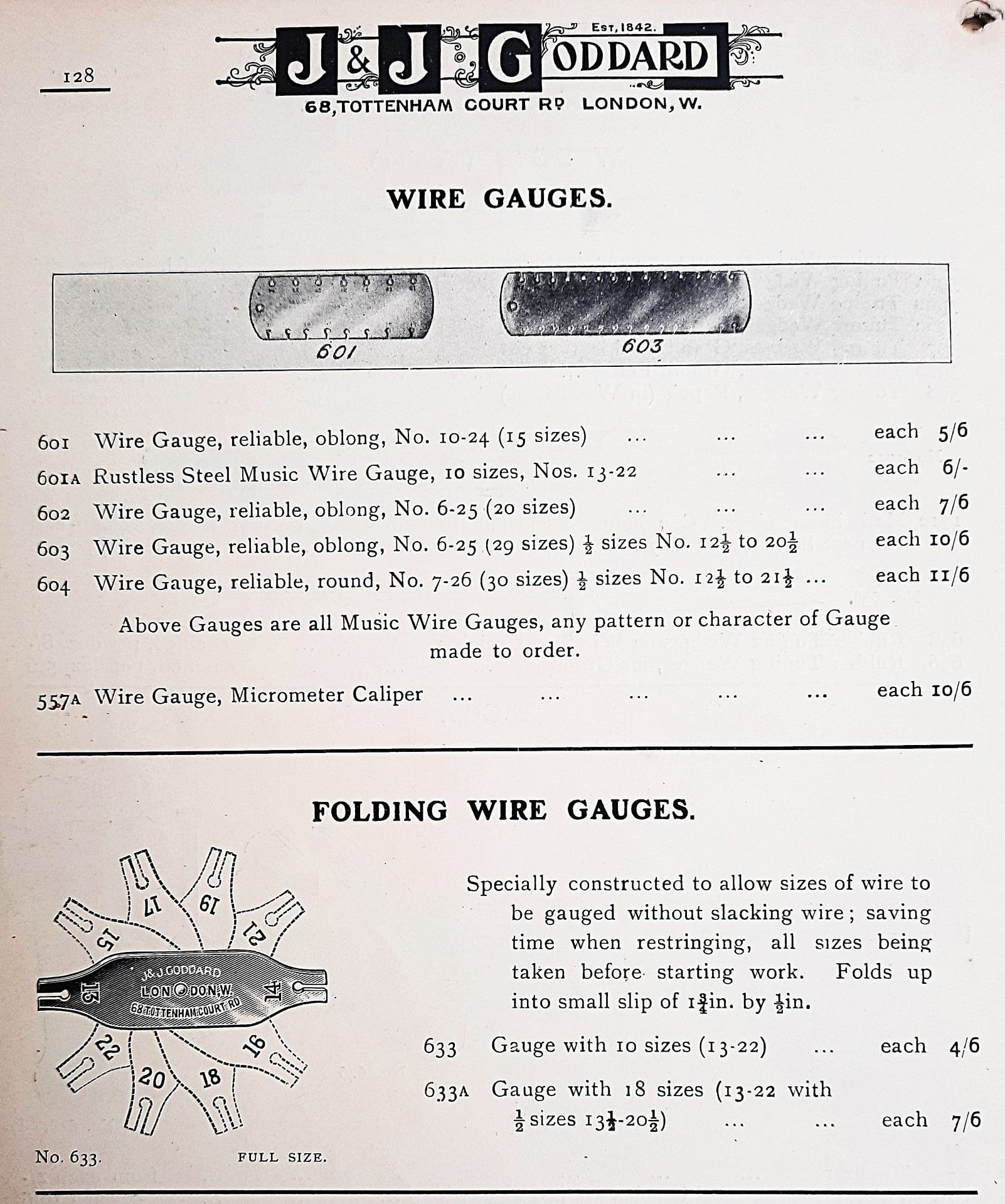
J.& J. Goddard piano and harmonium suppliers, established in 1842 and operating from the 68 Tottenham Court Road, London until 1968. Their signage is still up on their old building.
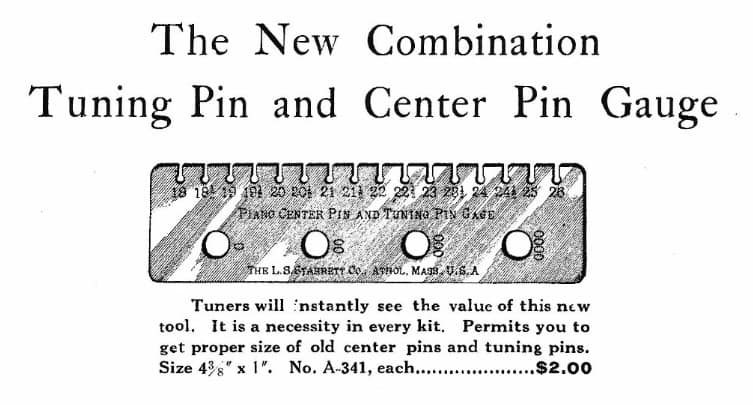
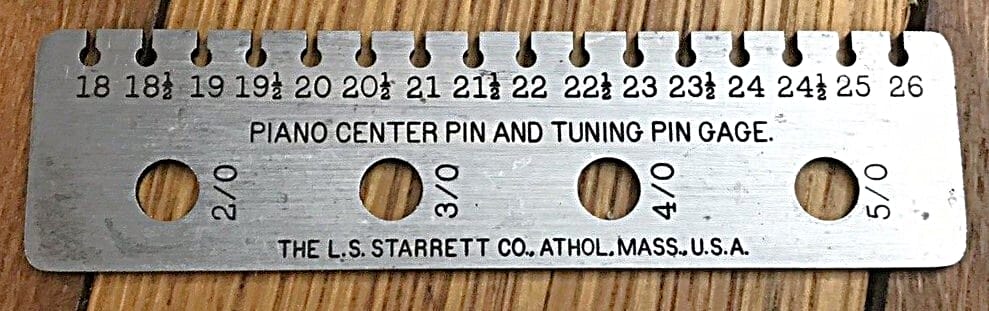
Starrett Tuning Pin and Center Pin Gauge, as advertised by Lyon & Healy, in “Tuners Journal,” June, 1925.
L.S. Starrett also made an action center pin, and tuning pin gauge. These were not big sellers; tuners would use a micrometer for center pins, and a dedicated tuning pin gauge capable of measuring tuning pins in the piano.
Competition between music wire makers. Many of the major manufacturers of music wire in the 19th century are represented. Alfred Dolge catalogue 1869–1892
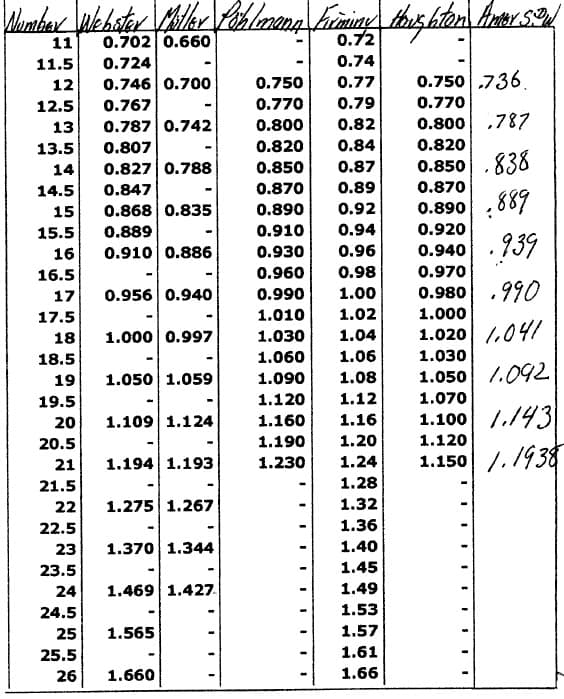
This is a chart of wire sizes as measured by Puresound, makers of stainless steel wire for early 19th century pianos. I figure that it could be considered a snapshot in time, as there was likely variation between batches of string within a string maker’s output. I added the sizes for American Steel and Wire. “Should measure,” are the operative words here. There are actually significant differences between the wire sizes of various nineteenth century string makers, despite the fact that they used the same gauge numbers, which present- day restorers of historical and elder pianos are well aware of.
Two earlier types of wire gauges as shown by Sievers in 1868. A slip style and an adjustable gauge. These types had advantages over the slot and hole types in that they showed increments between indicated sizes. The slip style is still used for measuring universal bass strings.
Poehlmann’s music wire. Poehlmann was a dominant wire maker in the second half of the 19th century, and Alfred Dolge was their exclusive U.S. agent for some time.
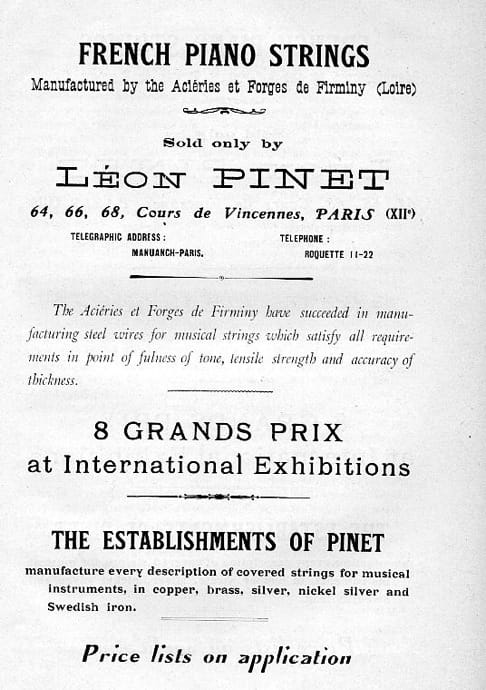
Firminy piano strings. From “Practical Manual for Piano and Harmonium Tuning” Nougues, Pouget, Martin.
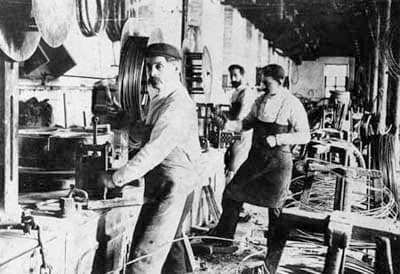
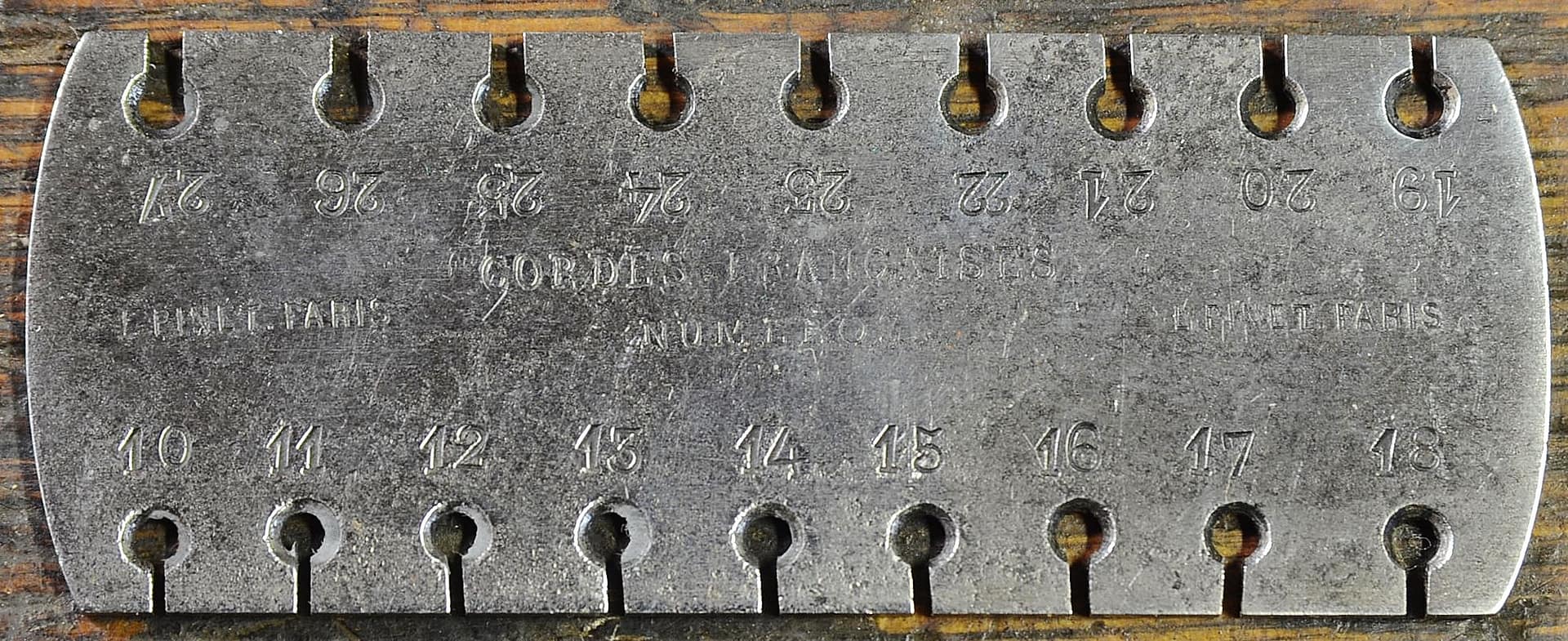
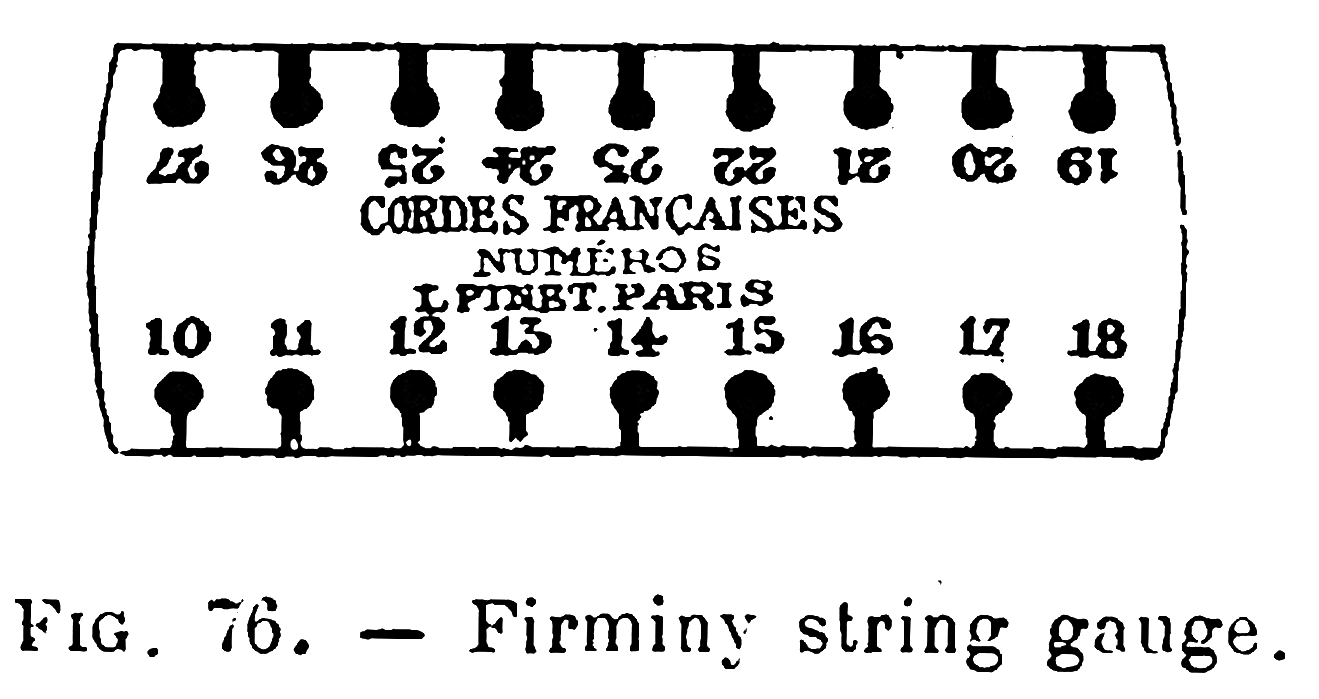
Firminy piano string/music wire gauge. Firminy music wire was used by many French piano manufacturers, such as Erard, Pleyel, Gaveau, and the smaller makers, during the late 19th century, into the 20th century.
Save
Sa
S
Sa
Sa
Save